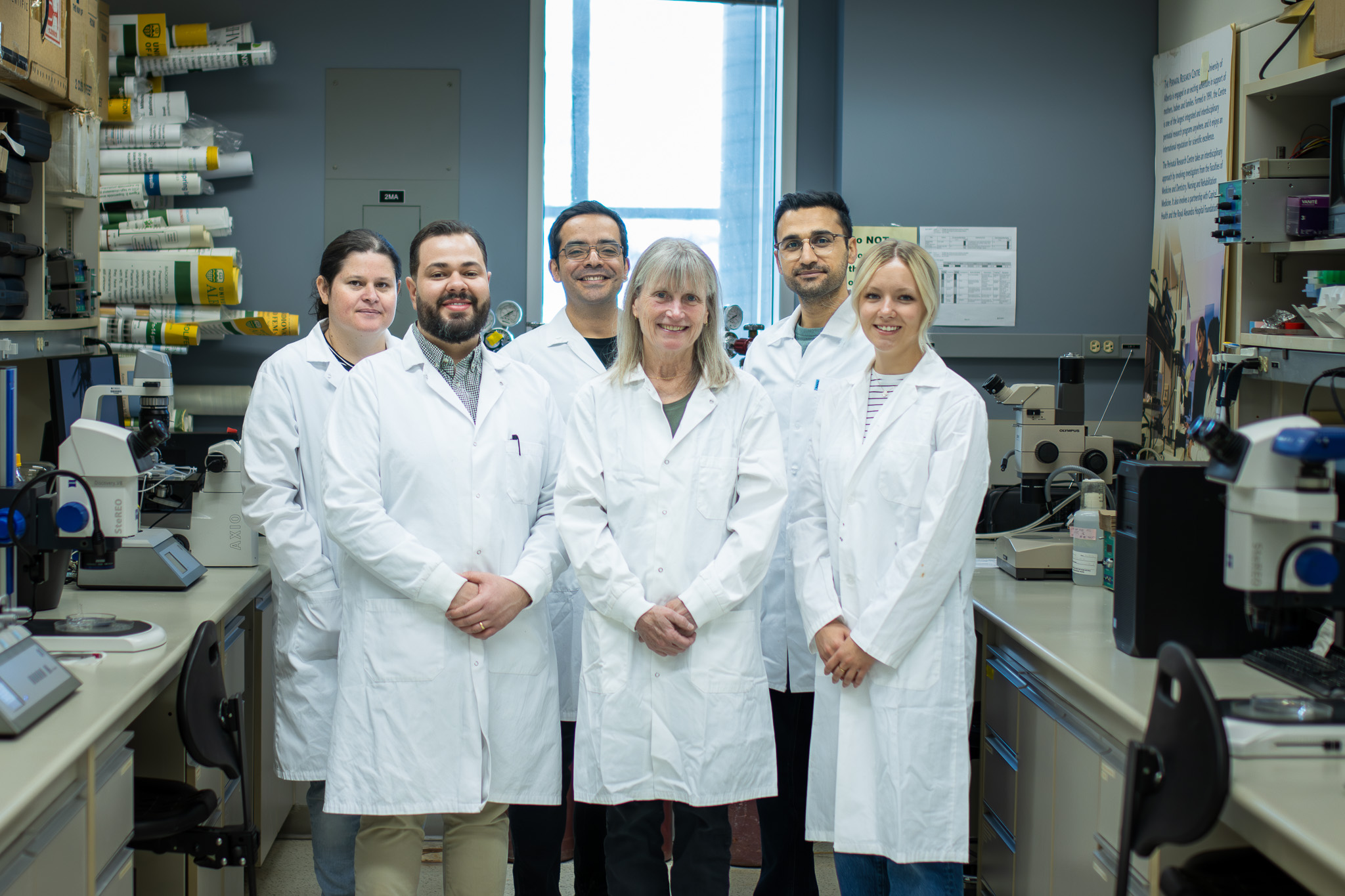

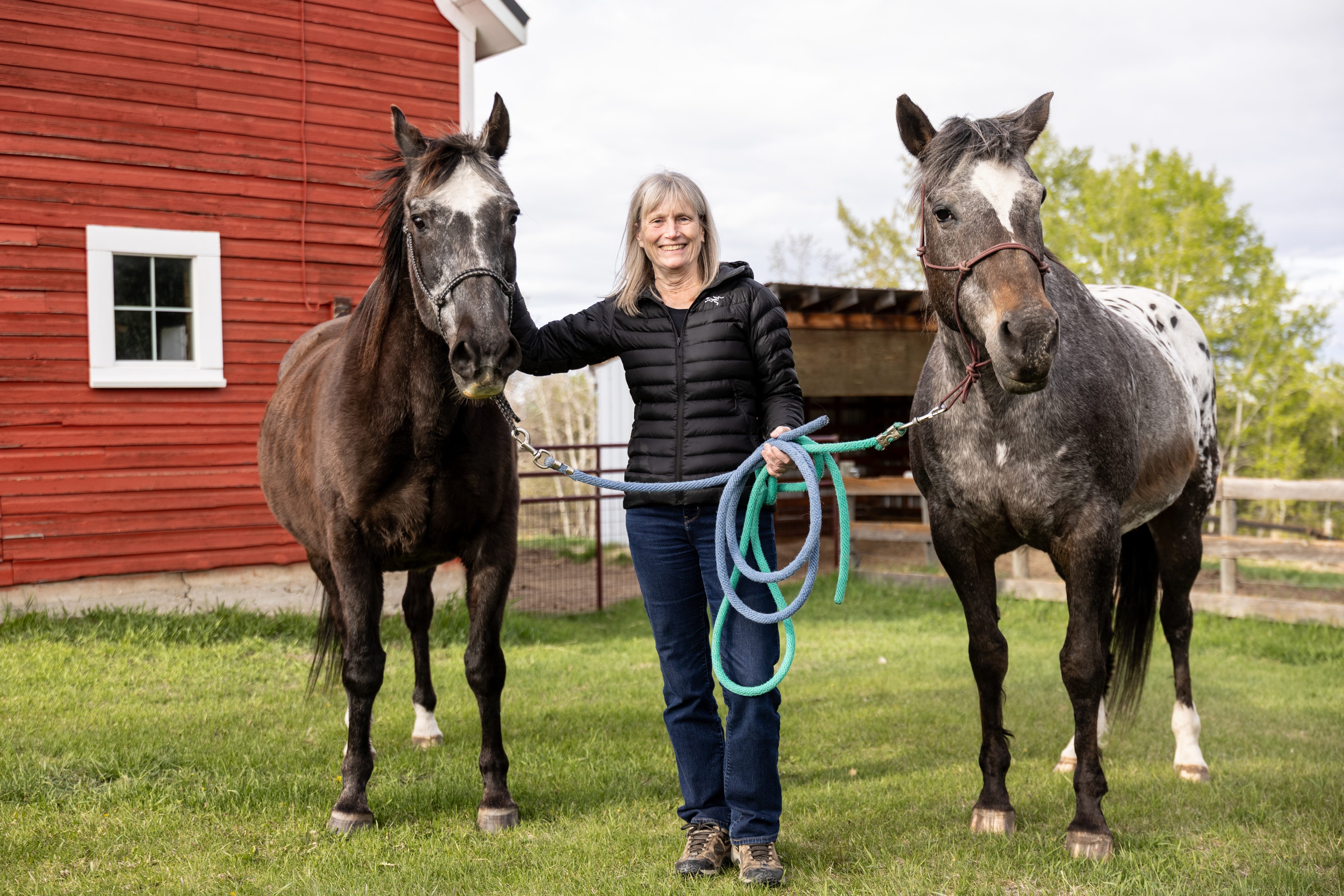

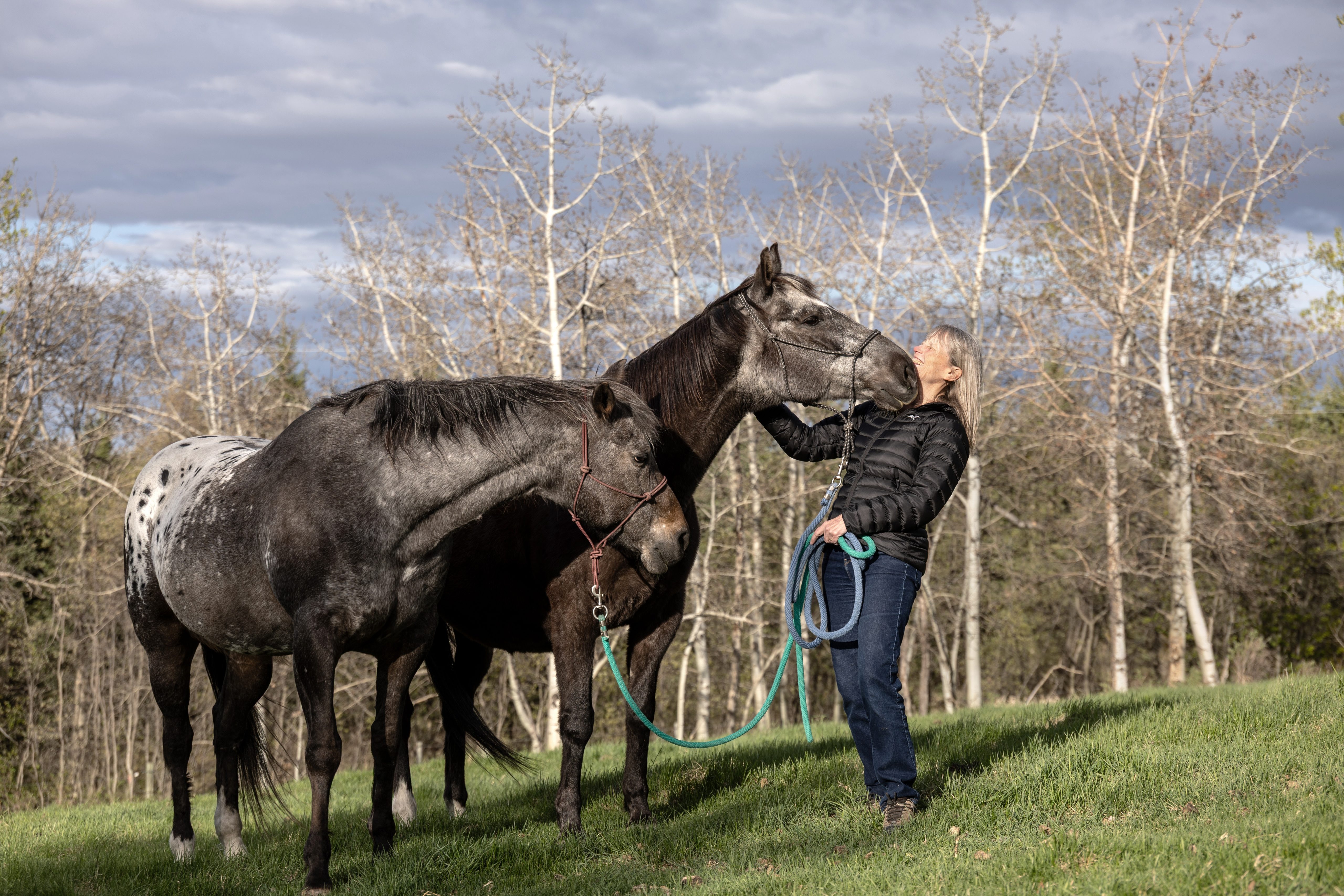
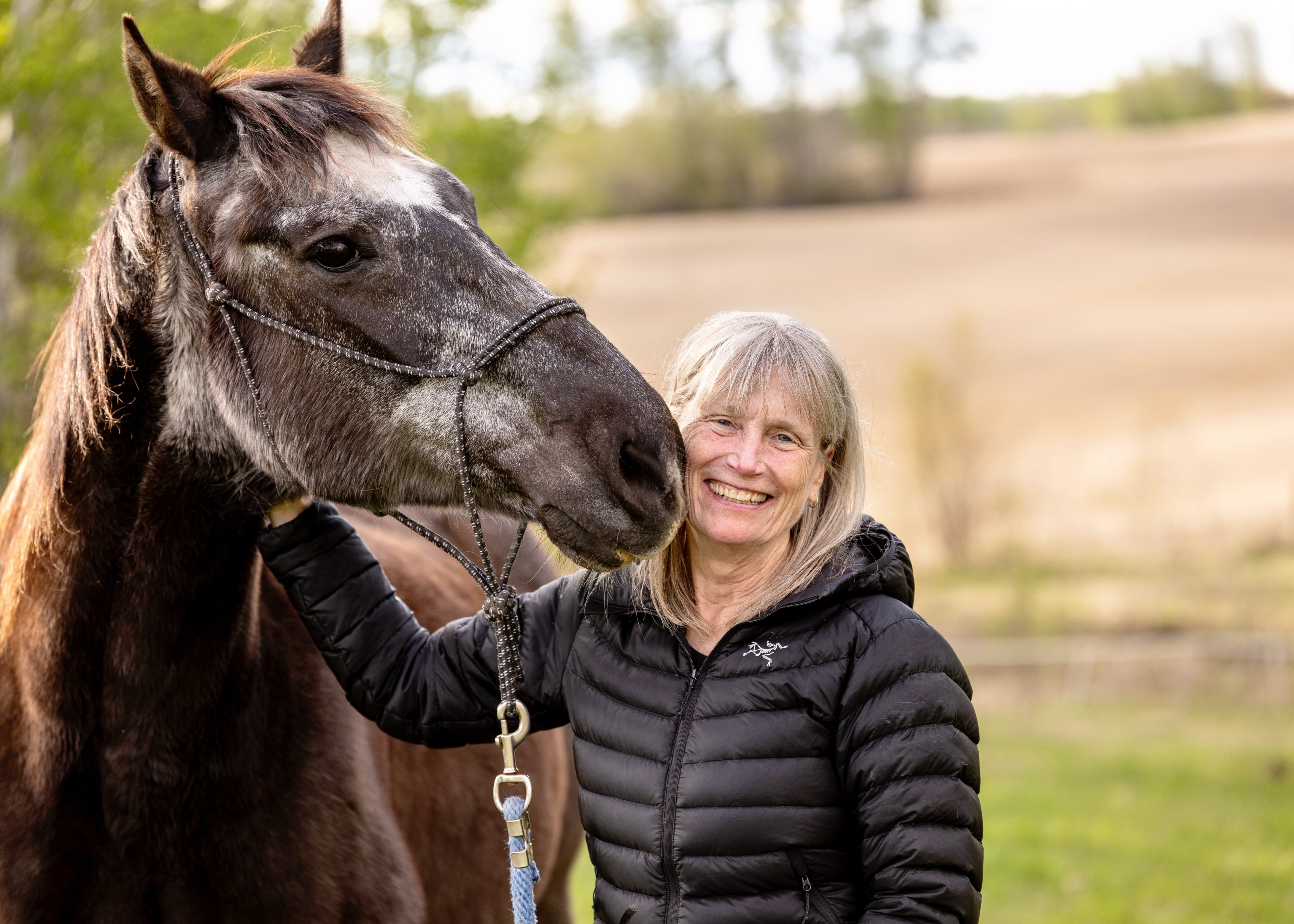
Sandy Davidge isn’t going to like this profile. Any amount of attention — for her pioneering perinatal research, her leadership through three terms as executive director of the Women and Children’s Health Research Institute (WCHRI), or her mentorship of more than 100 trainees — is swiftly deflected. “It’s about the people within the institute, about our members, our trainees, our staff. It’s not about me,” says Davidge, a Distinguished University Professor in the departments of obstetrics and gynecology, and physiology. The data, however, suggests otherwise. Since taking the helm of WCHRI in 2012, Davidge has strengthened its role as a vital institute for more than 400 leading scholars across 13 faculties at the University of Alberta, all focused on improving outcomes in women’s, children’s and perinatal health. The art of unpretentious leadership Davidge says her approach to stewardship may seem a bit understated, but it has been crucial to WCHRI’s success: good governance. By prioritizing regular meetings and open communication, she has built a rock-solid foundation of trust between WCHRI’s partners: the U of A, Alberta Health Services, the Stollery Children’s Hospital Foundation and the Alberta Women’s Health Foundation. The unique alliance has delivered results that no single institution could have achieved alone. Davidge’s academic journey was unconventional. She initially trained in animal science, studying reproduction in dairy cows, but her focus shifted to human pregnancy during a stint as a technician in an obstetrics and gynecology department. “When you think about human biology, what is more fascinating than pregnancy and the growth and development of the fetus?” she asks. It’s about the people within the institute, about our members, our trainees, our staff. It’s not about me. — Dr. Sandra Davidge She joined the U of A in 1996 after completing her graduate training and a postdoctoral fellowship in the United States. Drawn by the U of A’s strengths in perinatal and cardiovascular research, she moved to Edmonton with her husband and two young sons to take on her first faculty position. Building the next generation She held director of research roles at the university, and was one of WCHRI’s inaugural members when the institute formed in 2006. But when an opportunity arose to lead WCHRI, she didn’t initially consider applying. It took a colleague’s encouragement to convince her, and the institute’s commitment to training the next generation of researchers was definitely part of the appeal. “I think training students is just fun,” Davidge says. “They’re excited, they’re enthusiastic, they really want to learn.” Over her career, she has supervised more than 100 trainees, including 50 undergraduates, 32 graduate students and 25 postdoctoral scholars. One of those scholars was Dr. Floor Spaans, who arrived from the Netherlands in 2014 to join Davidge’s lab. “As a mentor, she’s so supportive,” says Spaans, now a research partner with the U of A’s office of the vice-president of research. “I’d always leave meetings with Sandy feeling so much more positive than when I came in.” Even when results didn't go as expected, Davidge encouraged the team to find the win within the data, and to explore new avenues, says Spaans, who stayed on as a research associate and lab manager for several years. She was impressed by Davidge’s infectious passion for her work, her seemingly endless energy and her time management, which always allowed for team bonding and celebrating personal accomplishments, despite her crushing schedule. Splitting time between her own lab and WCHRI has its challenges, but for Davidge, it was essential: “Being a leader in a research institute, you have to walk the walk. It’s important to be completely engaged in research.” From bench to bedside She has published more than 300 scientific papers focused on understanding the causes of pregnancy complications such as preeclampsia and restricted fetal growth. Her work aims to improve not only pregnancy outcomes, but the future health of both mother and child. She’s particularly proud of the real-world treatments her research has identified, including a recent study suggesting that low-dose aspirin can improve uterine blood flow in a model of high-cholesterol in pregnancy. “It's important that we have the evidence to be able to communicate to doctors in the community. And from there, we've had some wins in various areas of treatment. New drugs in pregnancy are really hard to come by, so it's about always looking at alternate approaches,” she says. Davidge is especially excited by research focused on treating the placenta itself, delivering therapies directly where they’re needed, without affecting the fetus or causing unintended effects. It’s a long-range goal, she says, but one she hopes to see realized in her lifetime. A lasting legacy Davidge’s pioneering work has earned her numerous appointments, including fellow of the Royal Society of Canada, the Canadian Academy of Health Sciences, the International Union of Physiological Sciences and the Royal College of Obstetricians and Gynaecologists. Yet she shuns the spotlight. “Nobody does this work in isolation,” she says. She also credits a supportive family for her professional success, achieved while commuting to campus from her ranch in Parkland County, west of Edmonton, raising her sons and caring for a menagerie of animals. Today, she’s a grandmother to three under the age of three, and continues to ride her aging horses, Missy and BB. Davidge’s third, five-year term as executive director ends in December. She sees the next WCHRI leader facing a complex landscape, where research will be shaped by a range of forces, from AI and climate change to political tensions. She stresses the need for someone who can balance long-term vision across the spectrum of women’s, children’s and perinatal health. Davidge plans to spend more time in her lab, while also advising research institutes in Canada and abroad. It’s a natural continuation of the approach she brought to the institute for 15 years: a focus on shared purpose, grounded in the belief that the whole is always greater than the sum of its parts. Story by Cailynn Klingbeil Published work: 300+ scientific articles focused on understanding pregnancy complications Dr. Sandra Davidge’s research has benefitted from extensive support over the years from the Stollery Children’s Hospital Foundation and the Alberta Women’s Health Foundation through WCHRI.

Acreage photos by William Au
Lab photos by Katrina Grey
Davidge details
Mentorship: Trained 50 undergraduates, 32 graduate students and 25 postdoctoral scholars in her lab
WCHRI tenure: Executive director for three terms, from 2012 to 2026
Early research: Initially trained in animal science, studying reproduction in dairy cows, before shifting to human pregnancy
Home life: Commutes to campus from a ranch west of Edmonton. Married 40+ years to Eric. Mother of two; grandmother of three
Hobbies: Skiing, hiking, running, riding, scuba diving and flying (she got her pilot’s licence at 35!)